Disclaimer: If you’re not a car person, you may not resonate with this writing, although you may still find value after reading this piece.
With all the raving about EVs in the world, I thought it’d be interesting to share this analogy with all of you here. I was inspired to write this piece by a social media poll I saw about badge swapping, but couldn’t find it anymore.
Perceived value immediately came to mind.
Yes, I believe I have some level of Occupational Psychosis. 🤪
Anyway, let’s get started.
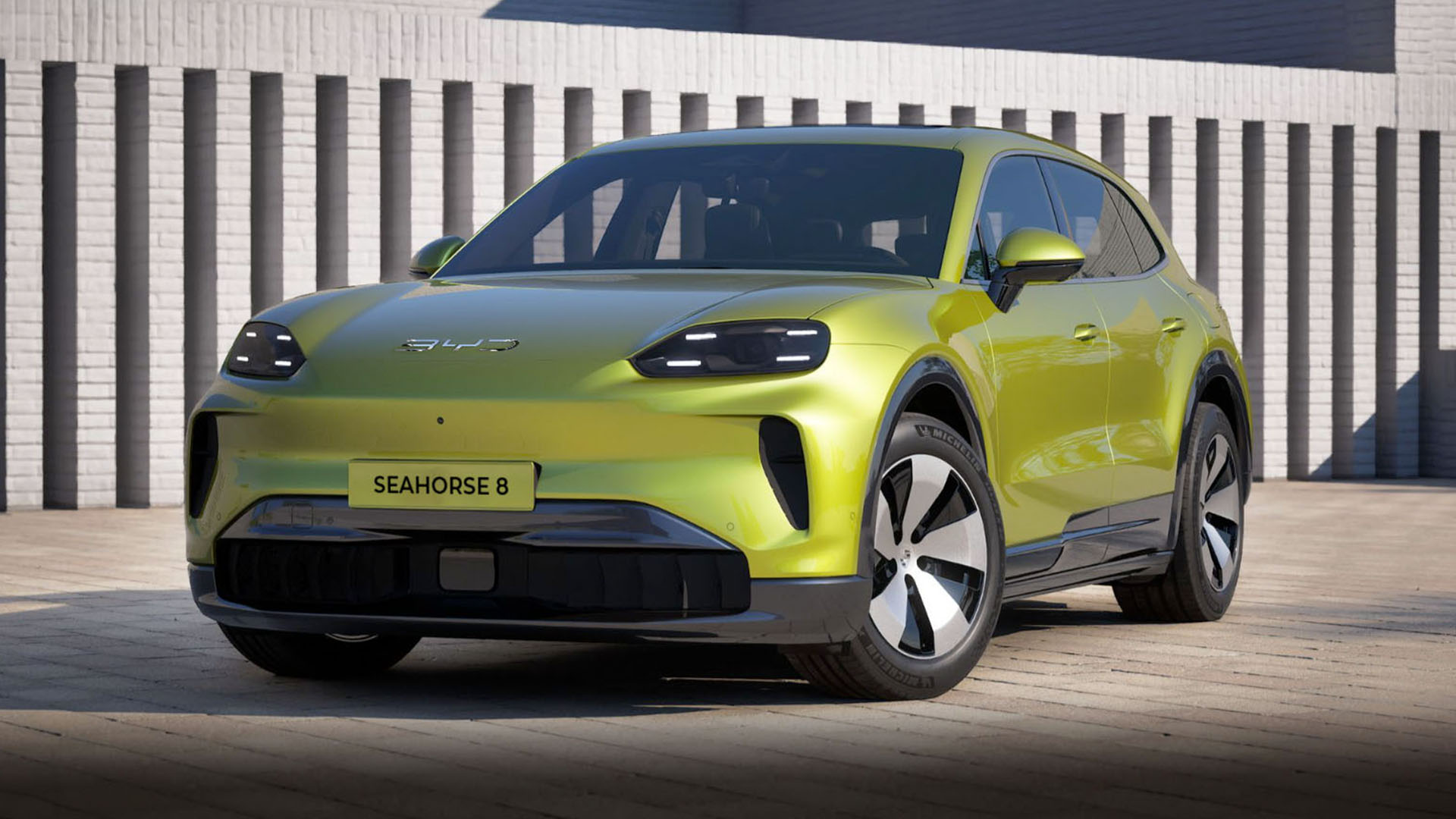
Would you pay RM1,000,000 for this luxury performance SUV in Malaysia? (assuming you can comfortably afford the price tag)
It’s a new BYD that can go from 0-100kmph in 2.5 seconds.
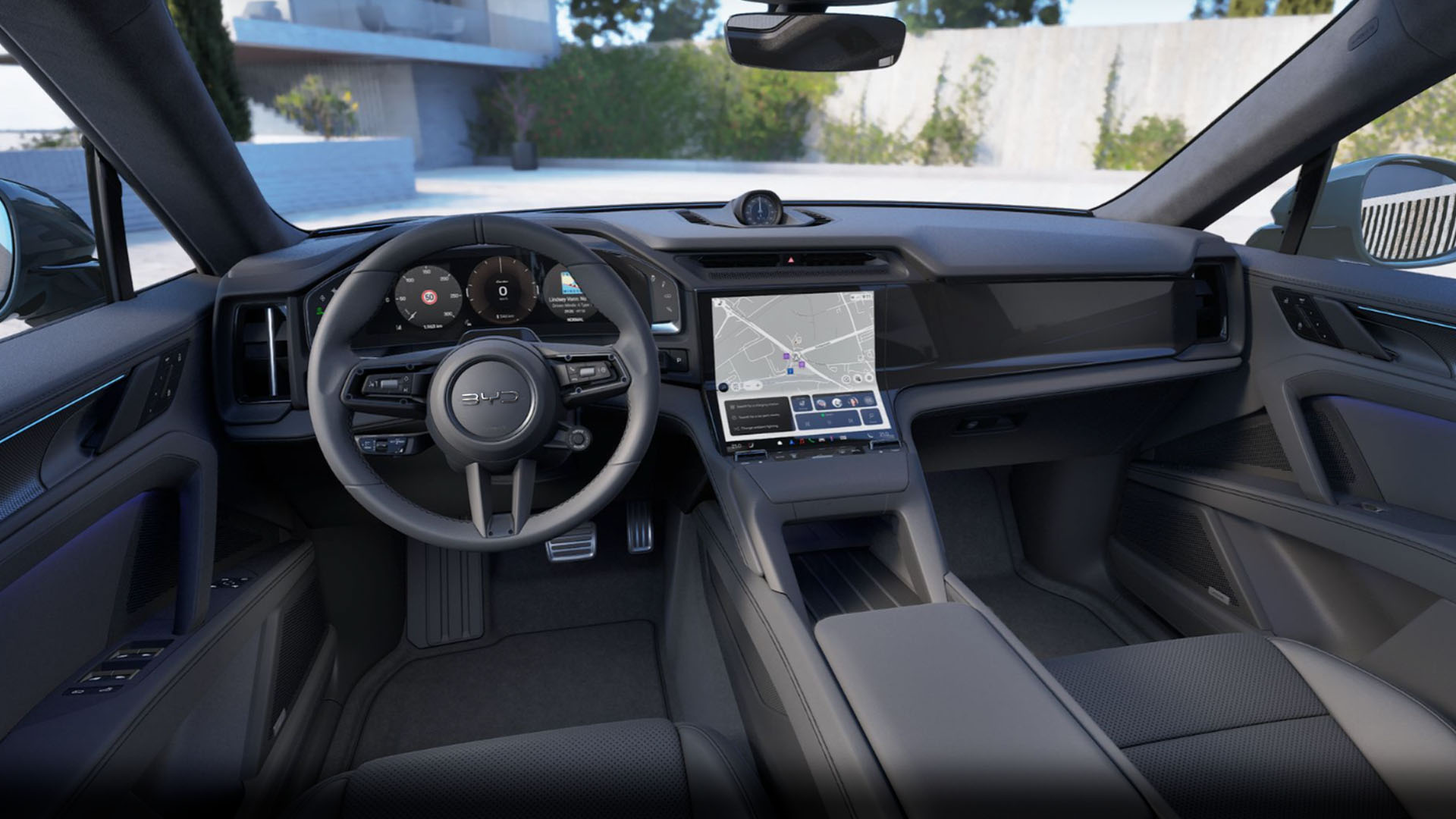
In terms of specs, the SUV charges from 10% to 80% in 16 minutes and has a range of about 700km. It comes with adaptive air suspension, a superior driving experience, a modern interior, and more.
Check it out:
Would you purchase this car for a million ringgit? Again, assuming you can well afford it.
If you answered “No”, why?
You might be thinking…
Chinese brand… can want ah?… Buy for 1 million, then breakdown within a year, how ah?…
Or is it because it’s a BYD?
A Chinese-made car, reliable, but not “thaaattt…” high-quality and technologically advanced for dishing out RM1,000,000?
If you’re thinking along those lines, that’s Perceived Value, right there.
BYD could build a replica of a Porsche along with all its sophisticated engineering and material selections and still cannot sell this car for a million ringgit.
Also, the BYD badge doesn’t give you the social prestige, community and everything else that comes with a luxury brand like Porsche.
Agree?
Guess what? SMEs are being judged in exactly the same way every day.
Perceived value.
The badge isn’t worth RM500,000. What it represents might be.
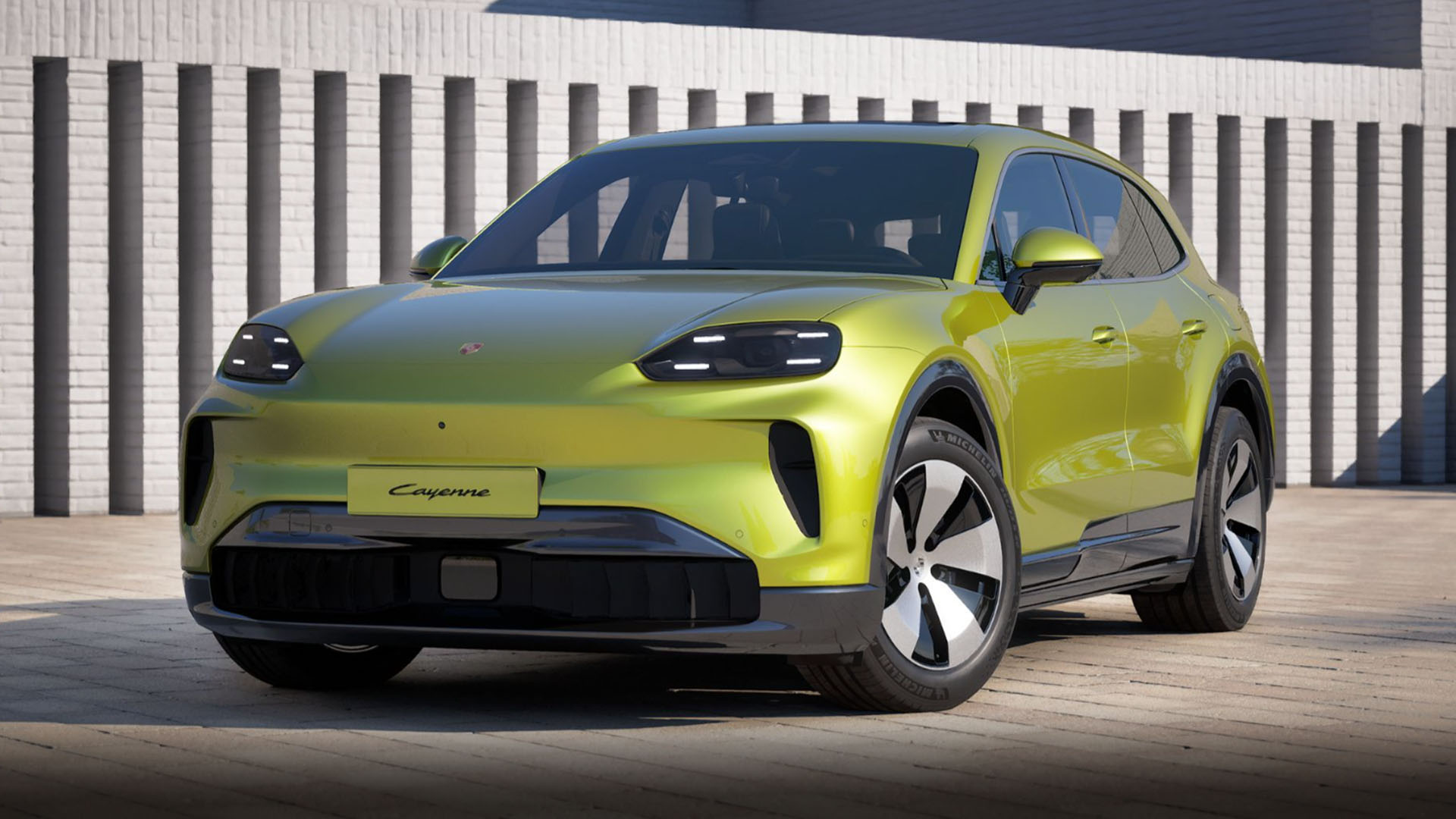
What if I told you the car in the visual you saw previously was actually Porsche’s flagship SUV, the electric Cayenne? It was rebadged with a BYD logo using Photoshop.
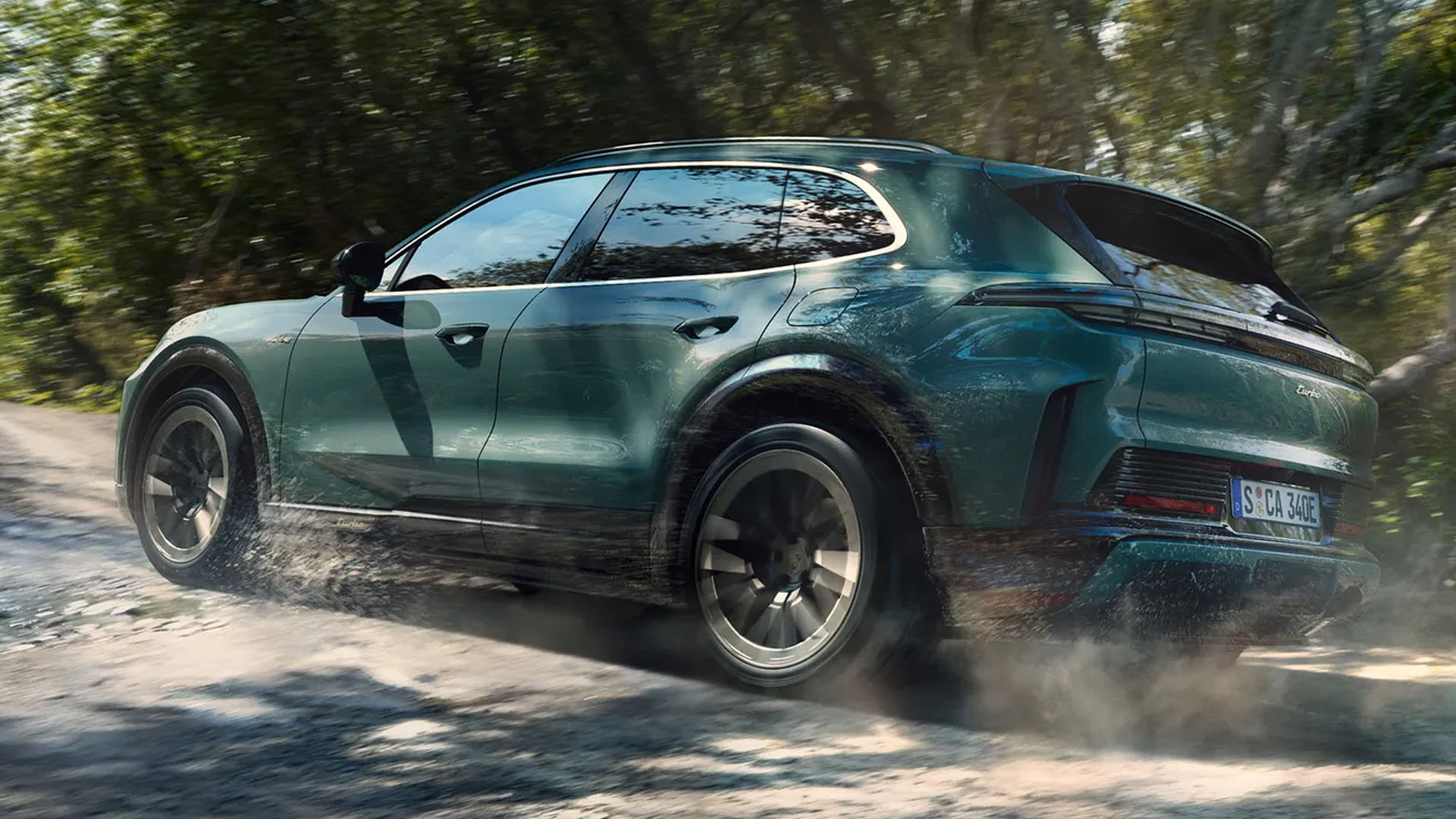
Now, does the million ringgit make more sense?
That it’s actually worth considering for what the badge represents? Precise German engineering, performance, technology, driving exhilaration, high-quality build, social prestige, and more.
The most important part here is the expectations of what the badge represents.
If you’re a car enthusiast, this is a beast on the road.
In this writing, nothing related to how the car was engineered or built has changed.
Only the badge was swapped, and your train of thought goes from scrutinising the price, worrying about reliability, to imagining all the emotions of enjoying your drive.
Even without disclosing the full specs of the car, you’d assume that the car is well-built and will handle extremely well.
For SMEs, your logo represents something to your customers. What it represents depends on how you and your employees influence every interaction with your customers. That’s brand building.
Logo = identifier.
Brand = meaning.
Branding = the deliberate process of shaping that meaning.
Taking the analogy into the B2B world

Your customers are swapping badges too. They are comparing you and your competitors.
Let’s assume that your company and Competitor A both have over 20 years of experience, similar capabilities, qualified engineers, and certifications required for the project.
For the sake of simplicity, we’ll assume both parties are technically equal.
Here comes the Perceived Value part.
Your company communicates clearly. Your company website explains what value your brand brings to the table. It has case studies demonstrating expertise. The presentation is professionally designed and is consistent with your brand’s corporate image. The whole package looks like you know what you’re doing.
Competitor A, on the other hand, has an outdated website that looks 10 years old. It talks about equipment capabilities and specs customers could have gotten from the machines’ distributor (if they’re interested in those). Its presentation looks like it has been cobbled together from an endless version of decks sitting in someone’s computer. The whole package looks like a generic à la carte menu of capabilities.
What do you think the perceived value is for your company versus Competitor A?
In a B2B buying decision worth RM500,000, RM5 million or RM50 million, perception matters because buyers aren’t only evaluating capability.
They’re evaluating risk.
Perceived Value is really Perceived Confidence

Consumer brands use branding to create desire.
B2B brands use branding to reduce doubt.
Nobody wants to be the one responsible for recommending a supplier that caused a production delay.
Nobody wants to explain themselves to top management why a RM2 million transformation project went wrong.
So, B2B decision makers look for signals.
Experience is a signal.
Case studies are signals.
Specialisation is a signal.
Your website is a signal.
How you present is a signal.
A strong B2B brand doesn’t eliminate risk. It makes choosing you feel less risky.
Perceived Value in simple terms
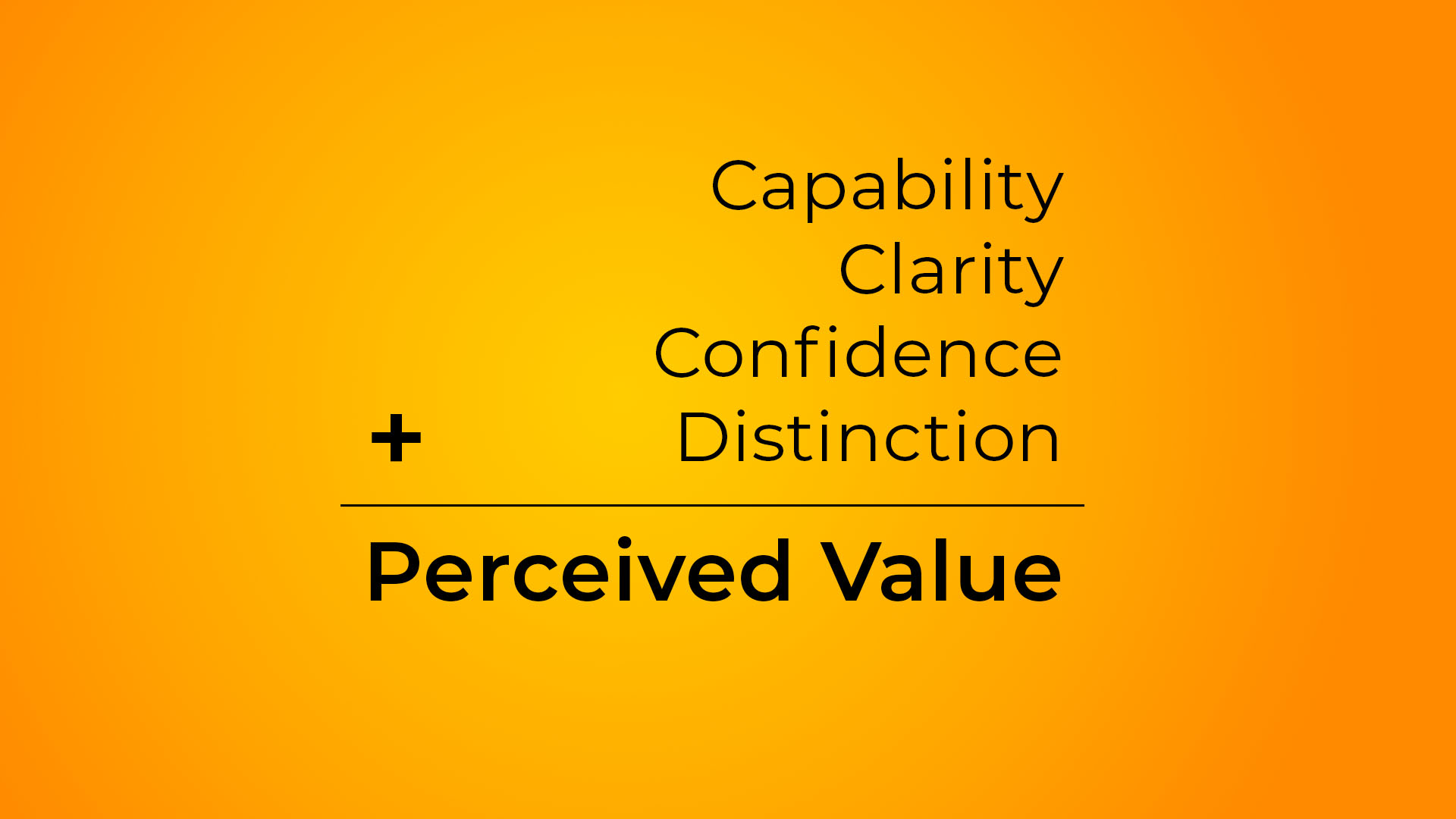
Here’s a simple approach to help increase your perceived value. Answer the following.
At the very least, these answers need to appear on your website, corporate profile, and corporate presentation deck.
Questions in your customer’s mind:
- Can you do the job?
- Are you relevant to me?
- Do I trust you enough to choose you?
- Do you fall within my budget?
For those who already have a growing and established business, especially second- or third-generation businesses, are you still perceived as the brand that you had 15 years ago?
This too is a perceived value issue.
There is now a perception gap between the company you’ve become and the company the market sees.
A corporate rebranding exercise will be able to close that perception gap.
The exercise isn’t about making an old logo look younger. It’s about communicating new expectations to your customers.
You can’t badge-engineer your way out of a bad business

I’m not suggesting you slap a premium-looking logo onto an average company and suddenly charge three times more.
Eventually, reality catches up.
Put a Porsche badge on a terrible car, and the first breakdown destroys the illusion.
Branding can amplify real value. It cannot permanently compensate for the absence of it.
The problem I see with many established SMEs isn’t that they lack substance.
It’s the opposite. Oftentimes, it’s also the fear of specialisation. (sapu everything)
They have 20 or 30 years of substance that nobody outside the organisation can see.
That’s a perception problem that corporate branding can fix.
Branding changes how your capability is interpreted
A good brand amplifies what’s working for your brand.
It definitely does not replace sales relationships, technical capabilities, track records, pricing, etc.
Those matter enormously.
Branding doesn’t change your capability. It changes how these key pillars are interpreted.
So, what’s your badge worth?
Going back to the car.
BYD can show you all the specs, but so can Porsche.
But when you see the Porsche badge on the car, you’re processing more than just the specs.
You’re processing everything the badge taught you to expect.
Your business is your “badge” too. It’s your name, reputation, promise, expertise, customer experience, etc.
Investing in your badge’s worth isn’t a cost.
Cost does not generate returns.
Investment generates Return On Investment (ROI).
Your company already has value. The question is whether the market can see it, understand it and believe it.
Corporate branding isn’t making your company look more expensive.
It’s making sure its true value is easier to see.
Let us know if you want us to audit your brand.
Here’s the original visual source from porsche.com
🤤🤤🤤